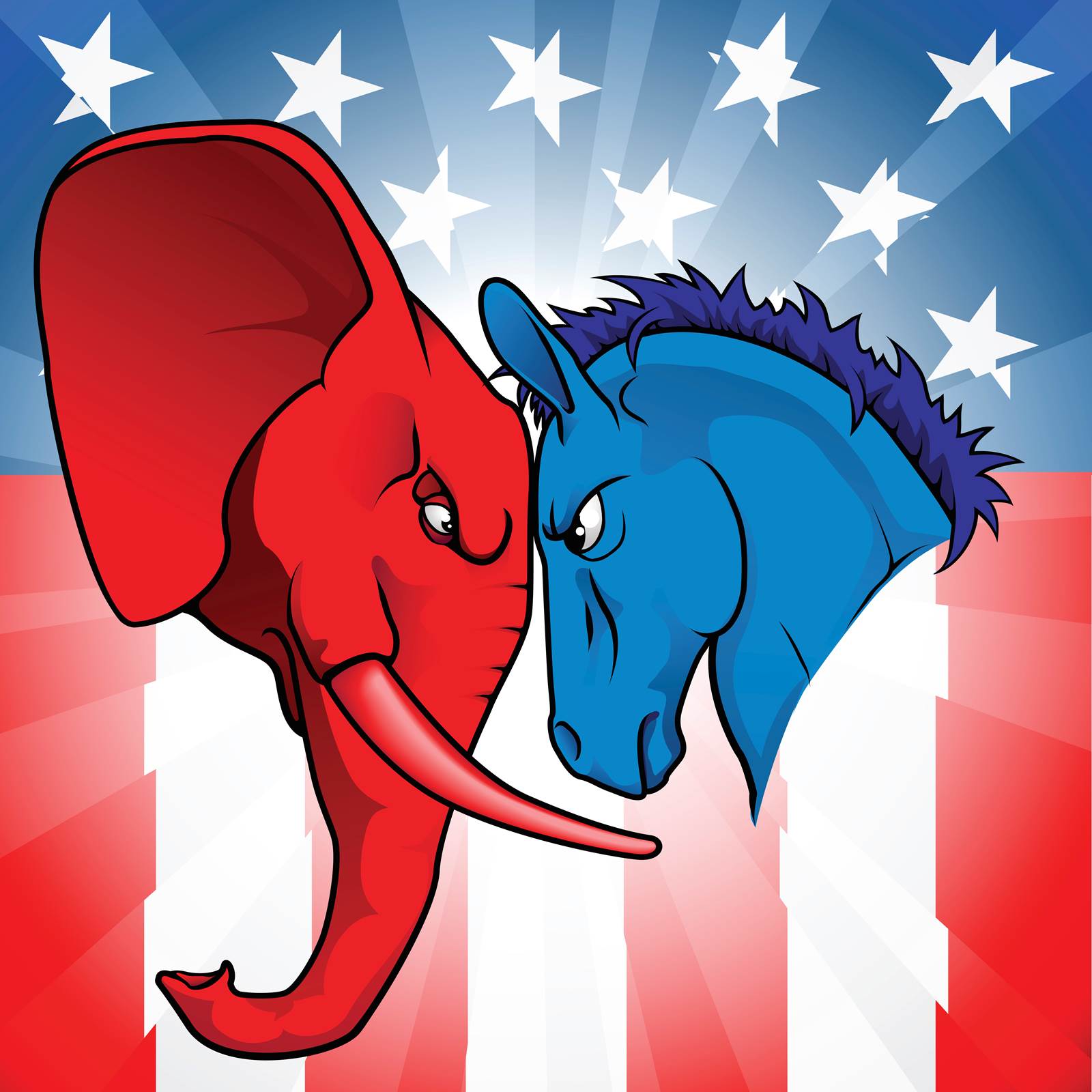
 Election Day has come and gone and many people are still scratching their heads over what we witnessed. As a rule, I normally don’t like to discuss politics because it’s too explosive of an issue. However, I’m not trying to take sides here but rather look at the benefits that elections like these have on writers like me.
Whether you voted for Donald Trump or Hilary Clinton, the next four years will be dominated by a Trump presidency. That’s a fact. That being said, it has already fueled protests, riots and comedy gold for the late night comics. In any case, we should all try to keep a level head and move forward as a nation. However, let’s consider what we can learn from this election and where do we go from here.
First and foremost, let’s put aside the “end of the world” scenarios being generated. People were saying the same thing eight years ago when President Obama was elected. President Trump does not mean the world is coming to an end, though I do imagine that many political thriller writers have already started on their first drafts. I think that it’s times like these that bring out the best in writers.
When I think about classics like “All the Presidents Men” and “The Manchurian Candidate” you really see what a changing political climate can do for a writer. I mean, Tom Clancy made a living at it. There are premonitions and scenarios that will play out from both sides of the aisle. How the writer adapts those concepts remains to be seen.
I think another big change to come out of this election is the role journalists have in our nation. I spent more than 30 years as a military journalist and public affairs officer for the U.S. Navy. During that time, I had a lot of one-on-one contact with the mainstream media. I think they were exposed by this election and many want to see them shift back to the traditional role of the media in U.S. politics. They should keep our politicians honest by reporting the facts, not cheerleading for one side or the other. I think many journalists lost their credibility with the American people. They need to build it back.
Lastly, I think an election like we experienced in 2016 can be a source of inspiration for writers. In my third book of the Forever Avalon series, The Outlander War, I bridged the gap between fantasy and reality by bringing the magical island of Avalon back into the real world. (You can read more about this in The Dark Tides: Book Two of the Forever Avalon series). I looked to politics and world leaders for inspiration for the characters I used to represent similar characters in my novel. It’s part of the ongoing research we, as writers, have to do on a daily basis.
So don’t get discourage if your candidate didn’t win, embrace the change and let it influence you as a writer. You may be surprised by what benefits you can expect from this experience.
***
 Mark Piggott is the author of the Forever Avalon book series. Forever Avalon is available for purchase at Amazon and Barnes and Noble. The Dark Tides is available for purchase at Amazon, Barnes and Noble, and iUniverse. The Outlander War can be previewed at Inkitt.
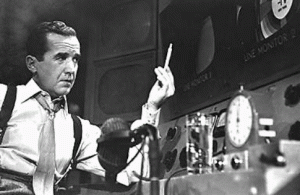 The media are supposed to be the sentinels of the truth. They investigate, question and report on the activities of the government to keep the people abreast of what our public officials are doing. There is no better example of that than Edward R. Murrow (1908-1965). His reporting style focused on facts, not on sensationalism. He never made the story about himself, even when he was pulled into it. One of the best journalism movies out there is George Clooney’s “Good Luck and Good Night” from 2005. It should Murrow’s reporting during the “Red Scare” hearings by Senator Joe McCarthy. You can see the same great examples of journalism in movie’s like “Spotlight” and “All the President’s Men” as well. It doesn’t matter who is in power in Washington, D.C.
 People say that the Vietnam War was lost when the government lost Walter Cronkite. During a trip to Vietnam in 1968, he said, “It seems now more certain than ever that the bloody experience of Vietnam is to end in a stalemate.” That one sentence told the American people that the war was not winnable and, by most accounts, turned many against continuing the campaign. It is said that President Lyndon Johnson was heard to say, “If I’ve lost Cronkite, I’ve lost middle America.” That is the power of journalism.
 Mark Piggott | Fantasy & Steampunk Author