 I have been writing professionally for more than 33 years and, as an independent author, for seven. I have learned more about being a writer these past seven years than the previous 26. You learn so much more when it’s not just a simple essay or press release you’re writing. Writing a novel tends to reveal part of your soul, so it takes a lot more out of you.
In performing this juggling act, you need to have a quick mind, very thick skin, the keen intellect of a sage and the stamina of Atlas to keep up with all you must accomplish just ti get a book published. It’s something that every writer has experienced at some point in their career.
J.K. Rowling said, “Writing doesn’t always get easier. In fact, it can be more difficult for successful writers.” I have yet to achieve her level of success, so I can’t speak on that directly, but I can say it’s even tougher when you’re just starting out. You need the patience of Job as you wait to hear back from the publishers or literary agents you submitted your manuscript too. Add to that the financial stress from your dwindling bank account after paying for editing, publishing, and marketing as you wait patiently for royalties to come in.
American poet and playwright Edna St. Vincent Millay said, “A person who publishes a book willfully appears before the populace with his pants down. If it is a good book nothing can hurt him. If it is a bad book nothing can help him.”
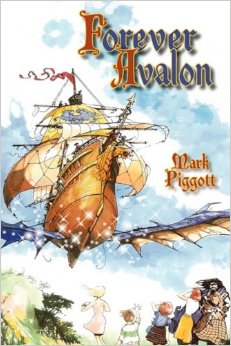
That sentiment is true, especially for the independent author. When I self-published my first book, Forever Avalon, I sent out copies provided by the publisher to family and friends. In return, I got a two-page list of spelling and grammatical errors I missed from my mother. That was my pants down moment and it opened my eyes.
As most authors can attest, we bare our souls when we write. It doesn’t matter if it’s fiction or non-fiction, poetry or prose, writers care deeply how people react to reading their work. Author Elizabeth Clements said, “It can be depressing when no one takes interest, and a lack of response makes the writer question why they’re writing at all. To have one’s writing rejected is like you, yourself, are being rejected.”
If I’ve learned anything it’s that you can’t take it personally when someone gives you a bad review, rejects your manuscript submission or doesn’t like you work. That’s the one thing that’s great about the human race. We’re all different and we all have our own opinions and the right to express those opinions how we see fit. That is the mark of a free society. That’s also what makes writers so important.
There are millions of writers and millions of books being published every year, and though that makes it hard for independent authors to get recognized, we are doing our part to tell the story of humanity. Writers have recorded the good, the bad and the indifferent of the world since man put chisel to stone and pen to paper. That collective history will be around for countless generations to read and learn.
Just being a part of that makes me proud to be a writer and gives me the courage to continue, even when my sales are down and my bank account empty. I still want to write.
***
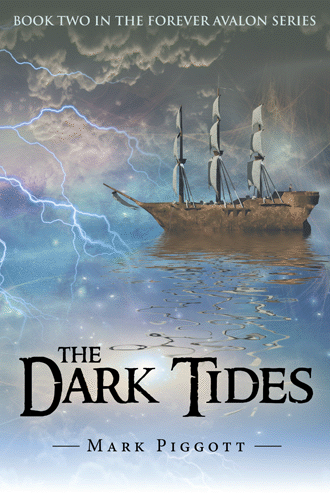
 Mark Piggott is the author of the Forever Avalon book series. Forever Avalon is available for purchase at Amazon and Barnes and Noble. The Dark Tides is available for purchase at Amazon, Barnes and Noble, and iUniverse. The Outlander War can be previewed at Inkitt.
 Inspiration … it’s a word I use a lot in most of my social media posts. You’ll find #inspiration in almost everything I write. I can relate to so many different things as I weave my stories together. Movies, books, television, theater, and music give me the focus and drive in everything I do. Even as I am writing this blog, I am listening to Joss Whedon’s 2005 sci-fi classic Serenity.
 It’s the simplest things in life that inspire us. I remember a few months ago when I was working to finish the third book in the
 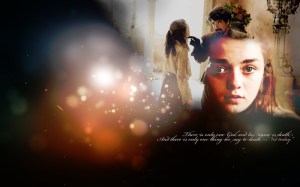 “Life is to be lived, not controlled; and humanity is won by continuing to play in the face of certain defeat.” That’s from Invisible Man by Ralph Ellison. That’s just one constant you can always find throughout literature, words to live by and wisdom to navigate through the rivers of self-doubt. As authors, we represent the struggles of not only our own lives but that of the world events happening around us. Authors want to instill hope, courage, determination and justice in the words we right.
 The end of the world has been prophesied since the dawn of time. The Mayans said the world would end on December 21, 2012. The Vikings called it Ragnarök when the world ends and the Norse Gods die, only to be reborn. Of course, the book of Revelation in the New Testament goes into detail about the end of the world and the second coming of Jesus; and with the current climate of financial, political and global upheaval happening today, people are scared that our time has come.
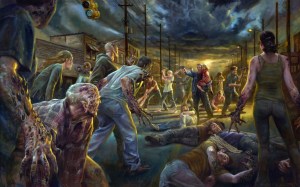 As writers, the end of the world can come about through endless possibilities and that gives us so many options in the stories we tell: Zombie apocalypse, machines taking control, deadly viruses, nuclear war, climate change, etc. We are fatalistic in our views of the apocalypse and show humanity at its worst to bring about the end of the world. Yet, through all that turmoil and tribulation, we find a glimmer of hope. There is always one guiding light or shining star that wins out in the end and gives everyone, from readers to storytellers alike, that spark of optimism that will inspire.




 Mark Piggott | Fantasy & Steampunk Author