
I have not been been a big fan of all the new Star Trek series on the Paramount + network. Discovery was a time travel flip-flop that didn’t know what it wanted to be when it grew up while Picard gave a beloved character another chance by rehashing old storylines. Sorry, boring.
But then, I started watching the new series Star Trek: Strange New Worlds and breathed a sigh of relief. Thank God, they found a way to hack into Gene Roddenberry’s brain and pulled out a winner. THIS is what Star Trek was meant to be.
I think the biggest complaint from nerds like me is that writers don’t stick to the source material. They stray from the storyline that we, as the experts (nerds, geeks, fanboys) know is supposed to be (or should be) canon. They try too hard to incorporate modern issues into science fiction storytelling, and to do that, they stray into multiple tangents that ruin the source material. That’s been the problem with every reboot, upgrade, and reimagining done in TV and movies over the past 20 years.
But I digress . . .
Star Trek: Strange New Worlds is everything I want in a Star Trek series rolled up into a neatly packaged weekly episode. No drawn out storylines, no complex back story to deal with. This is what Gene Roddenberry envisioned when he first started his trek more than sixty years ago (God, that makes me feel old) and its what’s been missing from these new series.
The casting is absolutely brilliant. Anson Mount is quickly becoming one of my favorite actors. I loved him as Black Bolt in the very, very bad Inhumans TV series AND WAS ECSTATIC to see him reprise the role in Doctor Strange and the Multiverse of Madness. His portrayal of Christopher Pike is spot on, on par with—if not better than—Jeffery Hunter (original Trek) and Bruce Greenwood (reboot J.J. Abrams movies). Watching him is like Kirk and Picard had a baby and it grew up to be the best captain in Star Fleet. Add Rebecca Romijin, Ethan Peck, and a host of others that fill out one of the most diverse crews in the Star Trek universe. The little twists of adding new characters like the blind, telepathic alien Hemmer and La’an Noonien-Singh (a descendant of KHAN, no shit!) with early reveals at how Uhura and Nurse Chapel came aboard Enterprise makes for a complete, well-rounded cast.
Then there’s the writing. First and foremost, they have updated things to modern standards by bringing in more sexual banter and uncomfortable situations, along with diversity and social justice issues, BUT the writers are not force-feeding it to the viewers (think Chris Chibnal and Doctor Who) rather integrating it in a way reminiscent of Roddenberry’s original storytelling. It’s woven into the storyline like a maestro conducting a symphony of science fiction. These stories are poignant and yet heartfelt and uplifting in the simplest of ways. Plus, they are telling us stories where we know the characters but never got to know who they truly are. I mean, we had an entire episode on the Gorn and it was better than the original introduction of the alien race in TOS (The Original Series for any noobs out there reading this).

I have had an ongoing love affair with the Star Trek universe, especially since the last ship I served on was the aircraft carrier USS Enterprise (CVN 65) and I got to meet the cast of Star Trek: Enterprise and see actual production of the series. Here’s a hint: Watch the episodes “Desert Crossing” and “First Flight” to see U.S. Navy Sailors of the Year as background characters. It was fun to watch the multiple takes necessary for just one scene in an episode. Plus I got to sit in the captain’s chair, bonus for me! That’s why I don’t get into the “Star Wars is better than Star Trek” BS argument. Not just because I love them both, but to me, Star Trek will always be the original OG. Roddenberry created a universe based on the human race, with all our flaws but also highlighting the best things about us. From broaching cultural boundaries (the kiss between Kirk and Uhura) to hidden commentary on the Vietnam War and the Cold War (i.e. the episode “The Omega Glory” where Kirk recites the Pledge of Allegiance and reads the U.S. Constitution. In 2015, Entertainment Weekly highlighted the scene where Kirk reads the United States Constitution as one of the most important moments in that character’s life.) I see the same spark in watching Strange New Worlds.
We know where this is heading. From episode one, and from the original series, we know what Captain Pike’s fate is (watch “The Menagerie” if you don’t know what I’m talking about). It’s enticing to see how this will progress as the series moves on. But I can say, without a doubt, that if your a “Trekkie” then you need to be watching Star Trek: Strange New Worlds. It’s the series we’ve been waiting for.
# # #

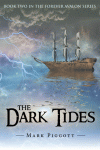
Mark Piggott is an independent author of the Forever Avalon fantasy book series and other fantasy/steampunk novels and short stories. Forever Avalon is available for purchase as a paperback/ebook at Amazon and as an audiobook from Audible and iTunes. The Dark Tides: Book 2 of the Forever Avalon Series is available for purchase as a paperback/ebook from iUniverse Publishing and at Amazon, and other booksellers. The Outlander War, Book Three of the Forever Avalon series is available for purchase as a paperback/ebook from Austin Macauley Publishing, and at Amazon and other booksellers. His latest fantasy novel, The Last Magus: A Clockwork Heart is available through Lulu and other booksellers.
Get ready for The River of Souls fantasy novella, coming soon from Curious Corvid Publishing along with the steampunk historical fiction, Corsair and the Sky Pirates. The Prometheus Engine: Book 4 of the Forever Avalon Series and The Last Magus: Dragonfire and Steel are future installments of his current fantasy book series, coming soon.
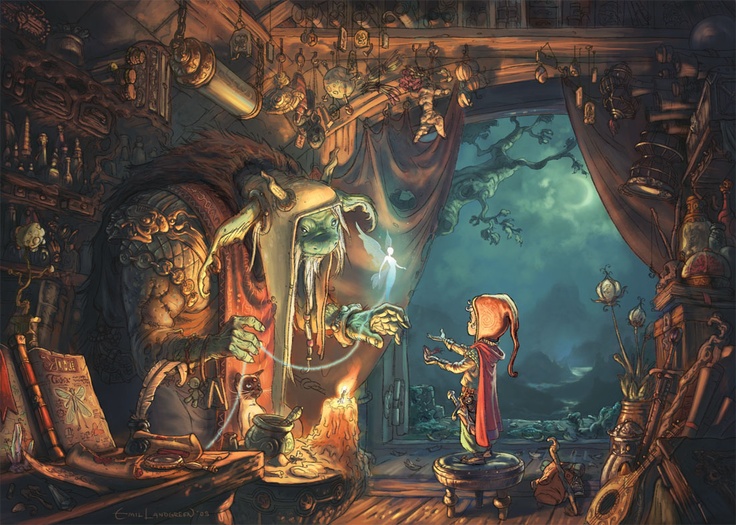 Magic vs. Science has been a question that fantasy and sci0fi writers have been pondering for quite a long time. The usual trope involves people using science in an under developed country which, to them, seems like magic. I’ve seen this used on episodes of Star Trek, Doctor Who, and various other television shows and movies. It is even considered “one and the same” in the Marvel Cinematic Universe (MCU) as told in Thor.
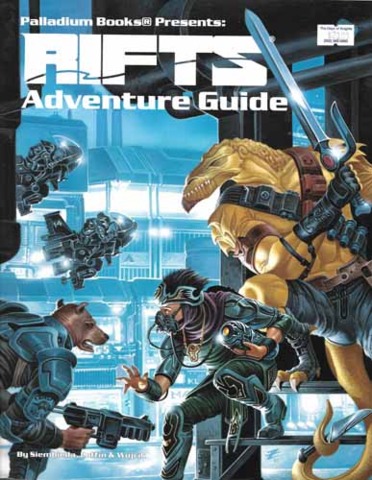 I remember an old Role Playing Game (RPG) I played back in the 80’s (no jokes or comments about my age please) called
 Mark Piggott is the author of the Forever Avalon book series. Forever Avalon is available for purchase as a book/ebook at
  Mark Piggott | Fantasy & Steampunk Author