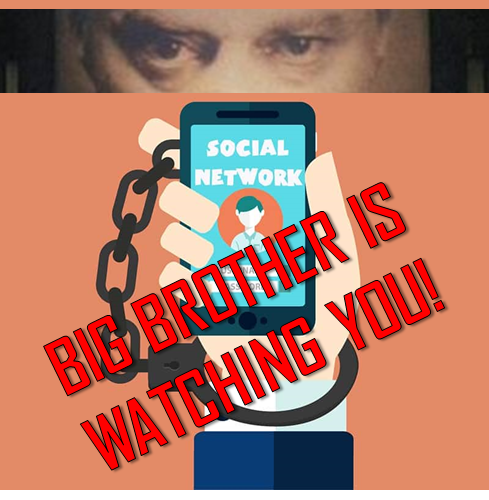
So, I took off the past week, ignored my social media accounts and didn’t like, post, tweet, or blog about anything. I thought a simple protest against the social media giants for being “censors” when they’re not supposed to be would gain traction. I thought people would care about “Big Brother” keeping tabs on what we could read, talk about, or share with others. I thought wrong. The world kept on turning, the sun rose and set, and life continued as we know it.
And still, to this day, Twitter and Facebook (and Google to an extent) are deciding what constitutes “free speech” online. They put their own bias into what is available on their platforms. Now, please don’t think of this as a political rant, because it’s not. It’s about free speech, the First Amendment, and the rights we have as American citizens. I refuse to be locked down by these or any other social media platform for expressing my own point of view. If not, we are destined to bow at the altar of social media.
George Orwell said it best when he wrote his prophetic novel 1984 in the year 1949:
“In a world of universal deceit, telling the truth is a revolutionary act!”
The people will not revolt. They will not look up from their screens long enough to notice what’s happening.”
George Orwell, 1984
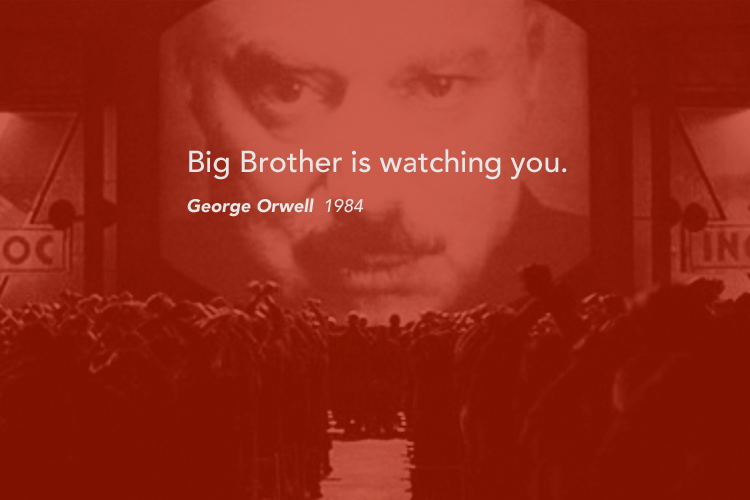
Do you see what I mean? It’s one of the things I love about being an author. Science fiction has always had a prophetic way of seeing into the future, from Jules Verne to George Orwell. It’s strange how science fiction authors have such a deep insight into the world that they know where we’re heading. This is one such moment in history. Whether you believe it or not, we are living in a world that George Orwell imagined.
So now, what do I do? Do I end my social media footprint altogether and not bow before Twitter, Facebook and the like? This would probably be helpful to my psyche but limit my exposure as an author. Or, do I just continue on and hope that these tech giants are brought down to our level through the courts and other legislation? I mean, that’s what happened to Microsoft in the 1990s when they got to big. Then there’s Section 230, a provision of the Communication Decency Act (CDA) of 1996.
“No provider or user of an interactive computer service shall be treated as the publisher or speaker of any information provided by another information content provider” (47 U.S.C. § 230).
from Electronic Frontier Foundation (eff.org)
Per eff.org, “online intermediaries that host or republish speech are protected against a range of laws that might otherwise be used to hold them legally responsible for what others say and do.” This gives social media platforms broad latitudes to determine what can or cannot be said on their websites. That, in turn, pisses off people from the Left and the Right which could mean an end to those protections.
There are more questions than answers. I will continue to express my views, no matter how controversial they may be according to the social media “hall monitors” watching over me. I was silent for a week, but no more.
# # #

Mark Piggott is the author of the Forever Avalon fantasy book series. Forever Avalon is available for purchase as a paperback/ebook at Amazon. The Dark Tides: Book 2 of the Forever Avalon Series is available for purchase as a paperback/ebook from iUniverse Publishing and at Amazon, and other booksellers. The Outlander War, Book Three of the Forever Avalon series is available for purchase as a paperback/ebook from Austin Macauley Publishing, and at Amazon and other booksellers.

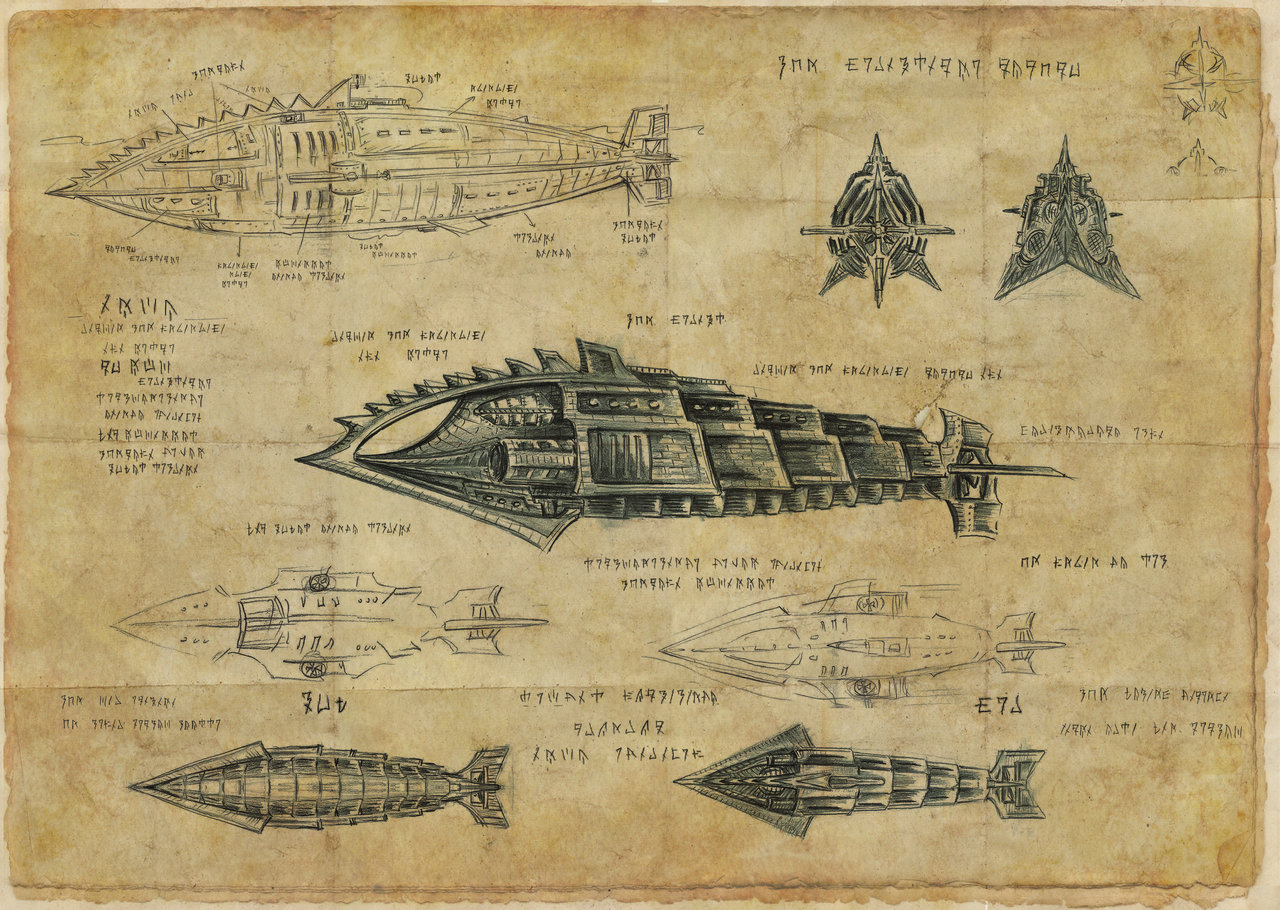 It strange how right, and sometimes how wrong, science fiction has been. I remember watching Lost in Space on TV as a kid. The Jupiter 2 mission was supposed to have taken place in 1984. Granted, that prophetic vision didn’t come true, but it was something that stuck in the memory of an impressionable child.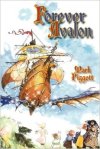
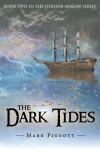 Mark Piggott is the author of the Forever Avalon book series. Forever Avalon is available for purchase at
  Mark Piggott | Fantasy & Steampunk Author