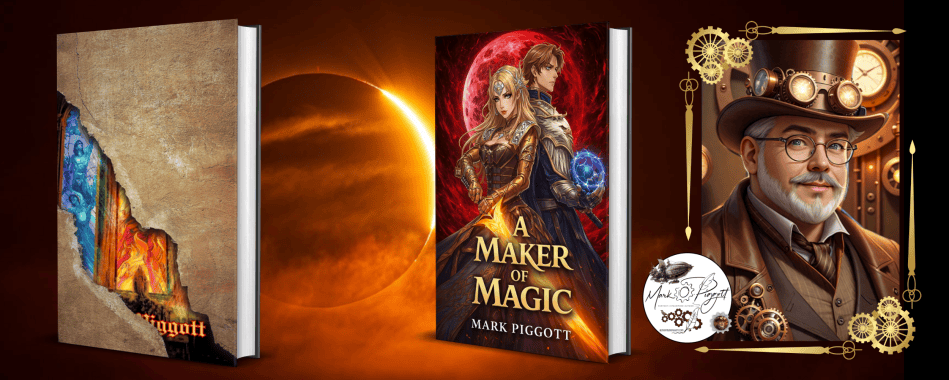
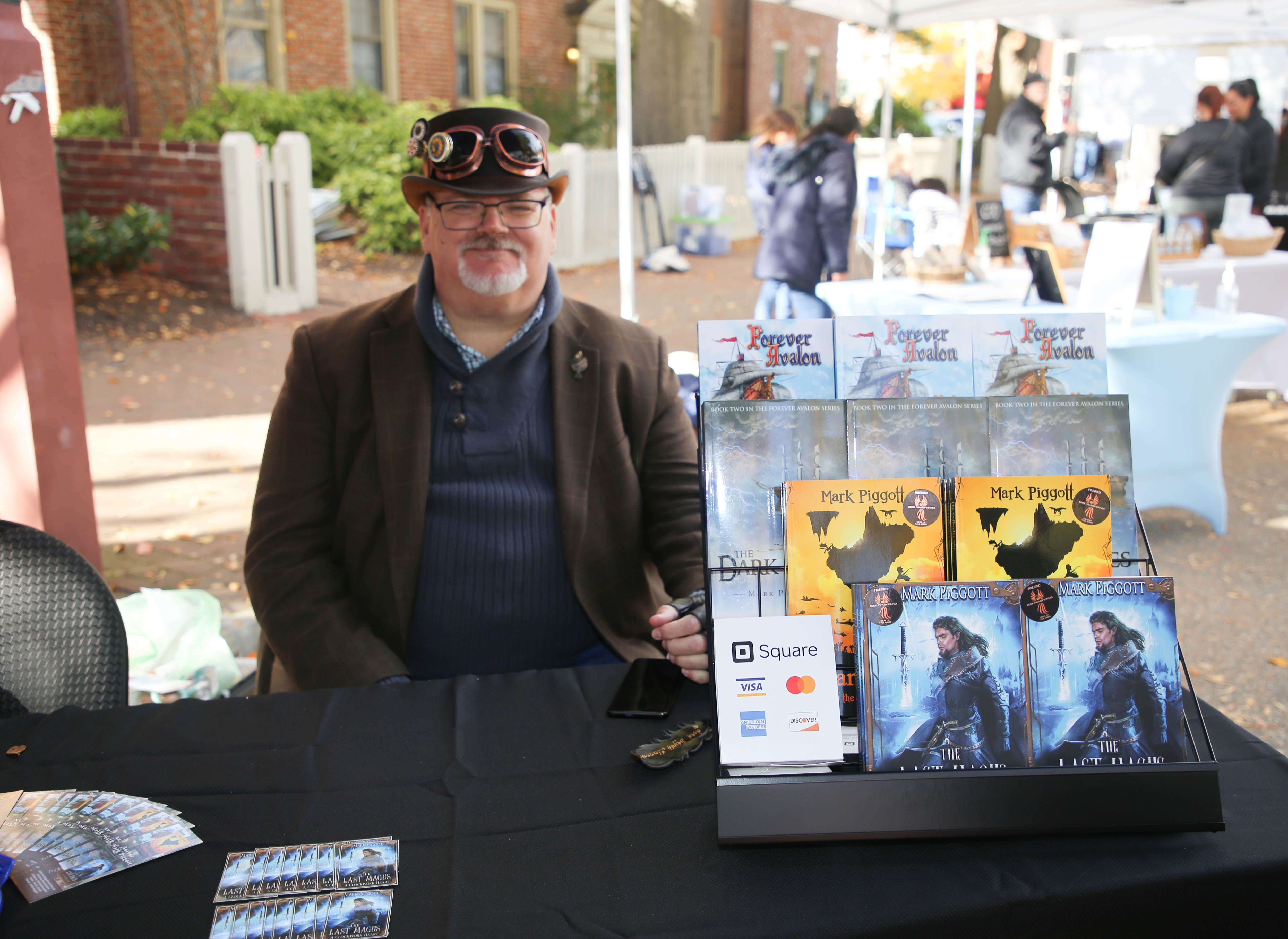
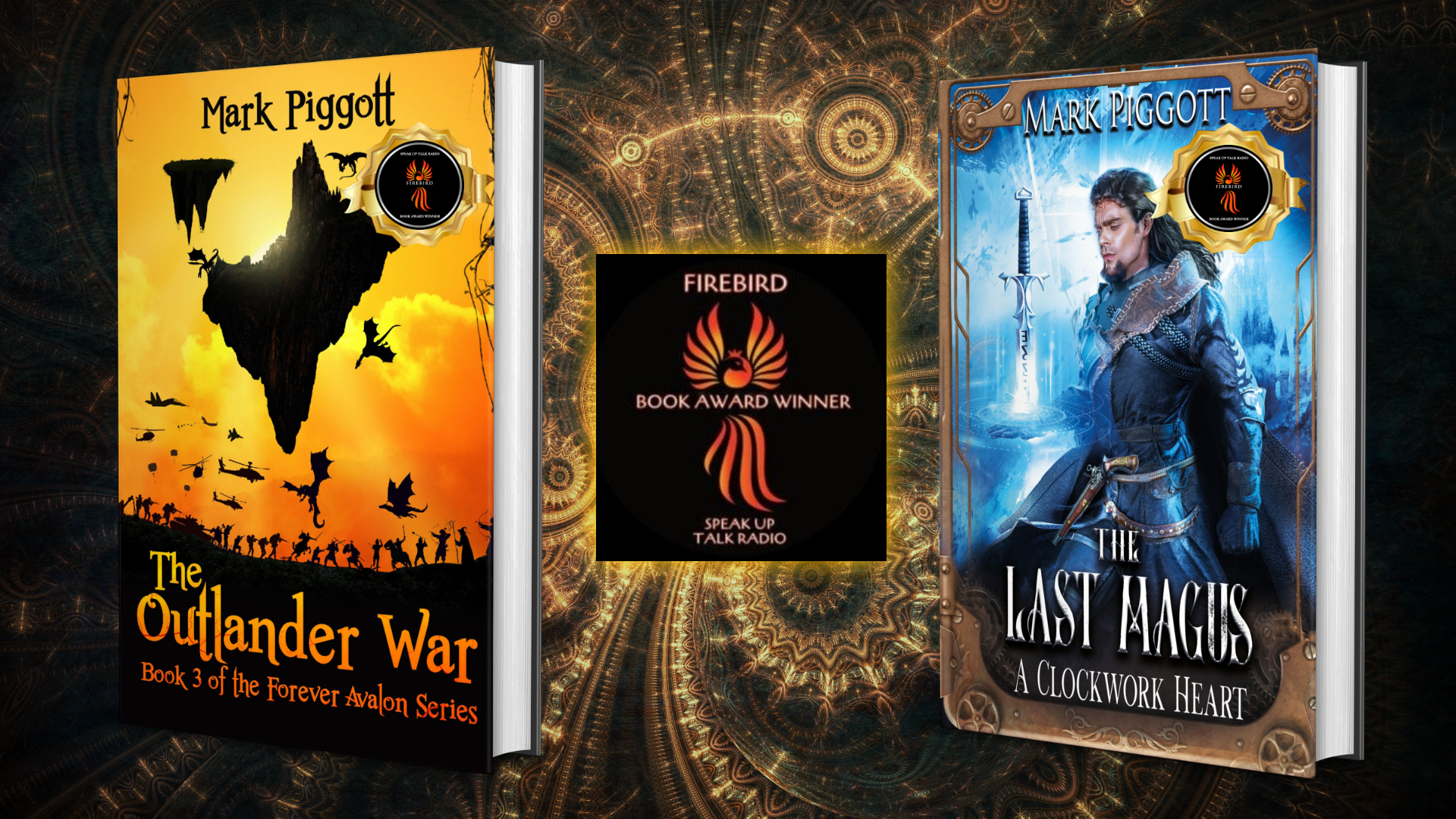
I just wanted to drop a quick note about two new events I just added to my scheduled book signing events this year! The Tidewater Comic-Con, May 14-15, 2022, at the Virginia Beach Convention Center, Virginia Beach, Va., and S.T.E.A.M. Fest, August 27, 2022, ArtsQuest Center at the SteamStacks, Bethlehem, Pa.
Tidewater Comicon is a 2-day Comic Book and Pop Culture Festival located in Virginia Beach, VA. Tidewater Comicon is Virginia’s fastest-growing comic book convention and returning to the Virginia Beach Convention Center, May 14-15, 2022, with Celebrity Guests, Comic Book Creators, Gaming, Panels, and Events. For more information, please visit www.tidewatercomicon.com.
Each year, S.T.E.A.M. Fest collaborate with a partnering company in the S.T.E.A.M (Science, Technology, Engineering, Art, Makers) and Video Games industry to create a project that tests our strength, intellect, and creativity. The 2022 S.T.E.A.M FEST, August 27, 2022, is all about Space and Time. For more information, visit www.pasteamfest.com.
I’m waiting to hear on other events I’ve signed up for, so keep an eye on my Events page for further updates. I hope you take a chance to come out and enjoy the conventions and please stop by my booths. I’d love to talk to you!
# # #
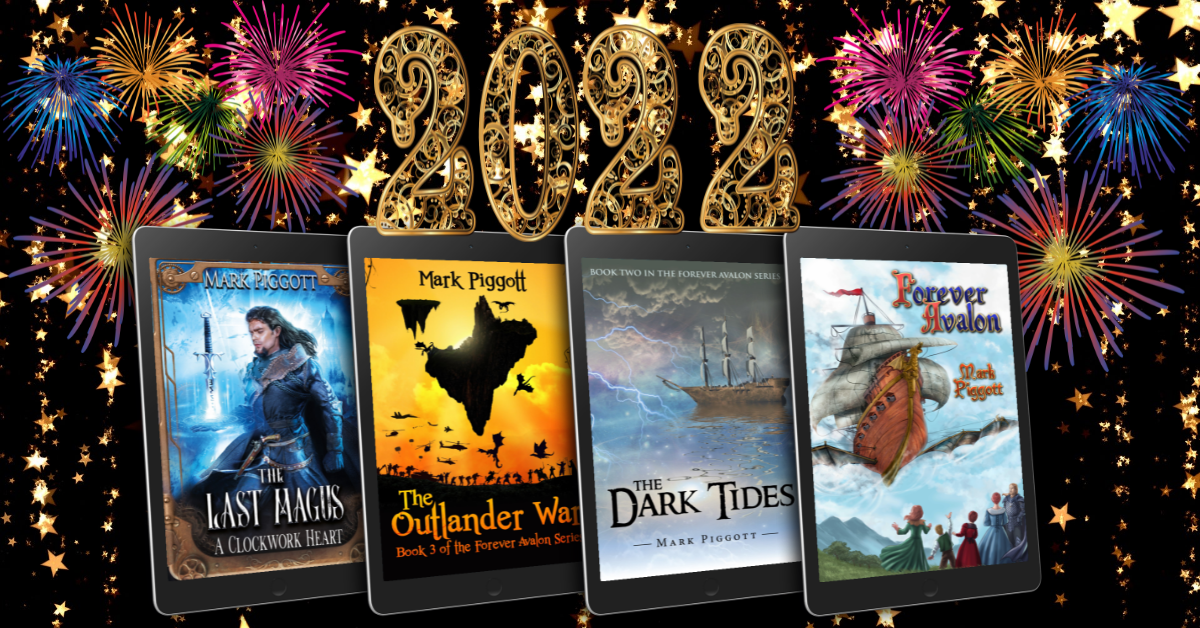
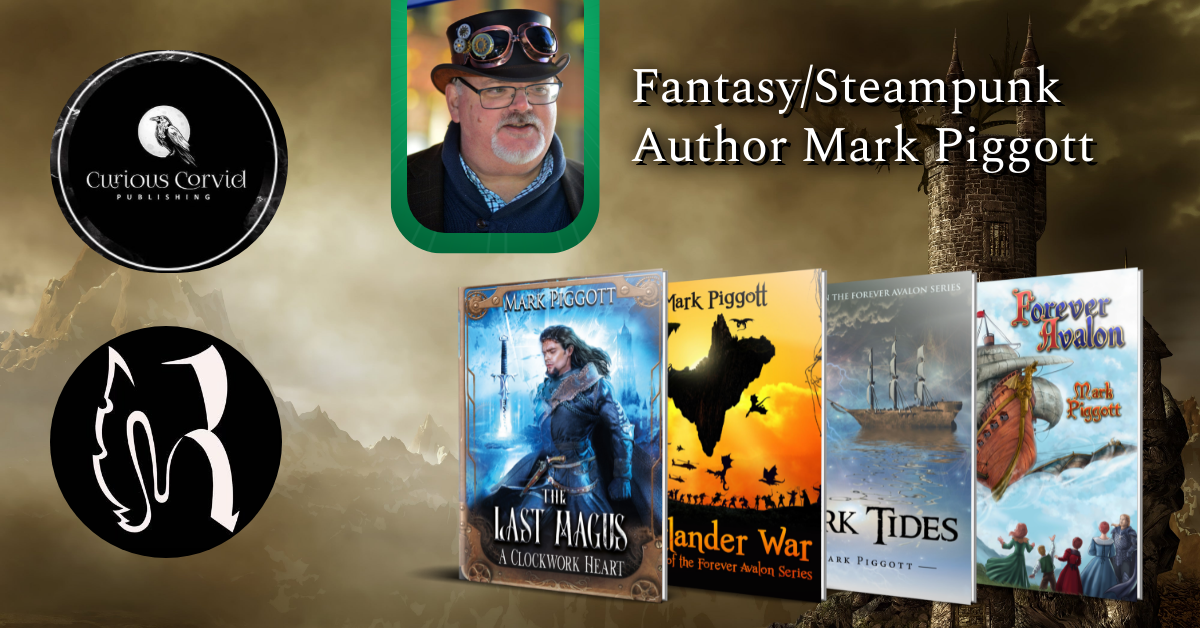
Mark Piggott is an independent author of the Forever Avalon fantasy book series and other fantasy/steampunk novels and short stories. Forever Avalon is available for purchase as a paperback/ebook at Amazon and as an audiobook from Audible and iTunes. The Dark Tides: Book 2 of the Forever Avalon Series is available for purchase as a paperback/ebook from iUniverse Publishing and at Amazon, and other booksellers. The Outlander War, Book Three of the Forever Avalon series is available for purchase as a paperback/ebook from Austin Macauley Publishing, and at Amazon and other booksellers. His latest fantasy novel, The Last Magus: A Clockwork Heart is available through Lulu and other booksellers.
Get ready for the steampunk historical fiction, Corsair and the Sky Pirates, coming soon from Revolutionary Press; and The River of Souls novella, coming soon from Curious Corvid Publishing. The Prometheus Engine: Book 4 of the Forever Avalon Series and The Last Magus: Dragonfire and Steel are future installments of my current fantasy book series, coming soon.
Less than a month away to Katsucon 2022, February 18-20, 2022, at the Gaylord Convention Center, National Harbor, MD. This is my first time attending Katsucon, and being a vendor in artist alley will be an interesting experience. There will be more than 200 vendors filling the hall, so it’s going to be hard to stand out in this sea of anime, comic books, movies, and TV. I’m hoping that being a new fantasy author with my unique books at this convention will be enough to attract attention.
Katsucon is an annual three-day anime convention held during February at the Gaylord National Resort & Convention Center in National Harbor, Maryland. It is traditionally held in February over Presidents Day weekend and was previously held in various locations around Virginia and Washington, D.C. The convention typically offers anime music video screenings, an art show, artist alley, charity auction, costume contests, cosplay chess, dealers room, game shows, formal ball, karaoke, a maid cafe, masquerade, musical performances, panels, rave, workshops, video gaming, and video screenings.
I have always been a big fan of anime. I started watching anime as a child growing up in the 1960’s on UHF channels, shows like Speed Racer, Marine Boy, and Gigantor. In the 1970’s, it was Captain Harlock: Space Pirate, Star Blazers, and Galaxy Express 999. Anime has always been a part of my life, especially as a father. I raised my kids right, letting them watch Pokemon, Yu-Gi-Oh, Sailor Moon, Inyuyasha, and more. They didn’t really care for my “old time” anime (to be expected) but it was important for me to introduce the genre to them.
I hope that, if you are in the Washington, D.C., area, you’ll come out for Katsucon 2022. As a reminder, if you are planning to attend, there are COVID restrictions in place for the convention. You will be required to show proof of vaccination and masks are required inside the convention center. Check out the Katsucon COVID guidelines and policies for more information.
# # #
Mark Piggott is an independent author of the Forever Avalon fantasy book series and other fantasy/steampunk novels and short stories. Forever Avalon is available for purchase as a paperback/ebook at Amazon and as an audiobook from Audible and iTunes. The Dark Tides: Book 2 of the Forever Avalon Series is available for purchase as a paperback/ebook from iUniverse Publishing and at Amazon, and other booksellers. The Outlander War, Book Three of the Forever Avalon series is available for purchase as a paperback/ebook from Austin Macauley Publishing, and at Amazon and other booksellers. His latest fantasy novel, The Last Magus: A Clockwork Heart is available through Lulu and other booksellers.
Get ready for the steampunk historical fiction, Corsair and the Sky Pirates, coming soon from Revolutionary Press; and The River of Souls novella, coming soon from Curious Corvid Publishing. The Prometheus Engine: Book 4 of the Forever Avalon Series and The Last Magus: Dragonfire and Steel are future installments of my current fantasy book series, coming soon.
I can honestly say I have mixed feelings about 2021. I think its one of those years I can’t wait to put behind me. Don’t get me wrong, it’s no 2020. My God, that year will forever burn on the ash heap of life. I have a lot of memories of 2021, some good and some not so good.
First, the good . . .
I published my fourth book in 2021, The Last Magus: A Clockwork Heart, beginning a new fantasy/steampunk series under my pen (or rhetorical keyboard). Not only did I spend most of 2021 finishing this book, it was also the first work of mine where I hired and editor and a cover artist. This book means a lot to me, and winning first place in the 2021 Firebird Book Award for Steampunk was a big deal. Being recognized by your peers cemented my career as a writer.
Speaking of awards, The Outlander War: Book 3 of the Forever Avalon Series, won second place for fantasy in the 2021 Firebird Book Awards. Again, it was wonderful to be recognized by your peers and I really want to thank my publisher, Austin Macauley, for all their support in 2021. This book was released just as the COVID pandemic hit, so promoting it was next to impossible beyond social media. I’m just so happy they continue to work with me.
Williamsburg Arts and Music Festival, November 2021
The great thing about 2021 was that I was finally able to go out and meet people in public. I attended book fairs, book signings, comic-cons, and arts festivals, talking about my books to those interested and even selling a few along the way. Thanks to the Moravian Book Shop, Fredericksburg Independent Book Festival, Southern Maryland Comic-Con, and 2nd Sundays Williamsburg for their support. It was great that, after nearly two years in hibernation, I could tell my stories to anyone interested. I sold more books in 2021 at all these combined events than I did since my first book was published in 2009. That shows how much effort independent authors have to put in beyond social media! I am looking forward to doing even more events in 2022.
The last good event of 2021 was having my short stories published through The Publishing Room and being signed by two great independent publishers, Revolutionary Press and Curious Corvid Publishing. The Publishing Room published two of my short stories for their fantasy and horror anthologies, Of Distant Worlds and From Dark Corners. Revolutionary Press will be publishing my steampunk/historical fiction novel, Corsair and the Sky Pirates, in 2022. Curious Corvid will be publishing my fantasy novella, The River of Souls, which I wrote with poet Ashley Valitutto. I am looking forward to working with these publishers in the coming year and beyond!
Now for the bad . . .
I experienced some loss in 2021, especially here at the end. I’ve had friends and distant relatives die, but this year it hit close to home. My dog, Sully, died in July. He was only 13 and our family pet for all 13 years. If you want a great family pet, I highly recommend a West Highland Terrier. They are the best. And just a few days ago, my older sister, Trina, suddenly passed away. It was totally unexpected. She has been fighting illness of one type of another this past year, but she was fighting it so she could retire to Florida in 2022. It’s a terrible way to end the year, especially just days after Christmas. I never saw eye-to-eye with my sister on many things, but she was still my sister and I loved her no matter what. Her death has given me some perspective on my own mortality, to hopefully take better care of myself so I’m there for my family. No more snacking on Twinkies and Pop Tarts for me.
I guess a bad thing professionally would be my email inbox full of rejection letters from publishers and literary agents. I mean, I got two good ones in Curious Corvid and Revolutionary Press this year, but the constant flow of rejection is a little disheartening. It’s like that one bad review your book gets. It just gnaws at you even though its just one in a hundred. I’ve always done what’s best for me and file it away and just move on.
Looking ahead to 2022, there’s so much to look forward to. I’ll be publishing two new books and submitting two more for consideration (fingers crossed). You can find me at multiple conventions and festivals next year, starting off with Katsucon 2022 anime convention at the Gaylord Convention Center, National Harbor, Maryland, February 18-20. It’s right in my area so this will be a blast. The only other confirmed event for me so far is the Imaginarium Fantasy Book Festival on Saturday, May 21, at the National Press Club in Washington, D.C. I’ve waited two years to be at this event so I can’t wait! You can keep up-to-date of my other appearances through my Events calendar.
So let’s end 2021 with this . . .
“Tomorrow is the first blank page of 365-page book. Write a good one.”
Brad Paisley
# # #
Mark Piggott is an independent author of the Forever Avalon fantasy book series and other fantasy/steampunk novels and short stories. Forever Avalon is available for purchase as a paperback/ebook at Amazon and as an audiobook from Audible and iTunes. The Dark Tides: Book 2 of the Forever Avalon Series is available for purchase as a paperback/ebook from iUniverse Publishing and at Amazon, and other booksellers. The Outlander War, Book Three of the Forever Avalon series is available for purchase as a paperback/ebook from Austin Macauley Publishing, and at Amazon and other booksellers. His latest fantasy novel, The Last Magus: A Clockwork Heart is available through Lulu and other booksellers.
Get ready for the steampunk historical fiction, Corsair and the Sky Pirates, coming soon from Revolutionary Press; and The River of Souls novella, coming soon from Curious Corvid Publishing. The Prometheus Engine: Book 4 of the Forever Avalon Series and The Last Magus: Dragonfire and Steel are future installments of my current fantasy book series, coming soon.
The headline says it all. As a writer, this has been my best month EVER! I had three book signing events, where I did better than expected with sales, meeting people, and more! Then, I signed two book deals with Curious Corvid Publishing and Revolutionary Press to publish two of my latest manuscripts, The River of Souls and Corsair and the Sky Pirates respectfully. Like I said, BEST MONTH EVER!
Between the Fredericksburg Independent Book Festival, Southern Maryland Comic-Con, and 2nd Sundays Williamsburg Art and Music Festival, I’ve been meeting and talking to more people than ever before. After such a disappointing 2020, it’s such a thrill to actually being able to meet people in person than over a video chat.
It has been a long road since 2001 when I started writing my first novel, Forever Avalon, and then it wasn’t first published until 2009. To be able to not only talk about my books with people, face-to-face, but to see the interest on their faces when they pick up my book and read the synopsis was worth the long weekends away, the money invested into my second career, and the hours spent toiling away at these novels.
I really just want to thank my wife and my family for their love and support of my extended career. I wouldn’t be here without them. They are, and always will be, my inspirations as a writer. I have more stories I’m working on and I hope to have them out in short order, but that’s down the road. For now, I’, going to continue going out to these festivals and conventions to spread the word.
And if I don’t get to say it, I hope all of you have a very Happy Thanksgiving with your family and friends!
# # #
Mark Piggott is an independent author of the Forever Avalon fantasy book series and other fantasy/steampunk novels and short stories. Forever Avalon is available for purchase as a paperback/ebook at Amazon and as an audiobook from Audible and iTunes. The Dark Tides: Book 2 of the Forever Avalon Series is available for purchase as a paperback/ebook from iUniverse Publishing and at Amazon, and other booksellers. The Outlander War, Book Three of the Forever Avalon series is available for purchase as a paperback/ebook from Austin Macauley Publishing, and at Amazon and other booksellers. His latest fantasy novel, The Last Magus: A Clockwork Heart is available through Lulu and other booksellers.
Get ready for the steampunk historical fiction, Corsair and the Sky Pirates, coming soon from Revolutionary Press; and The River of Souls novella, coming soon from Curious Corvid Publishing. The Prometheus Engine: Book 4 of the Forever Avalon Series and The Last Magus: Dragonfire and Steel are future installments of my current fantasy book series, coming soon.
“Book contests are a proven way to tell the world that you have taken the time and effort to submit your work to scrutiny. An award seal on a book opens doors to interviews, press coverage, and lends additional credibility to writing and artistic careers, and dare we say–can increase sales.
“We chose the firebird to symbolize the award because the firebird is known as a magical helper and is believed to drop pearls from its beak when passing over peasant villages, to give the poor something to trade for food and other necessities. We hope, in some small way, that we too can help others via the donation aspect of these book awards.
“At Speak Up Talk Radio, our mantra has always been this: Speak Up–your words can change the world. You never know how your words affect those you may never meet. And to help you become a magical helper, like the mighty firebird who drops pearls, your entry fee is used as a tax deductible charitable donation to brighten the rooms of women and children in homeless shelters.
“All entry donations fund Enchanted Makeovers 501(c)3 women and children’s long term shelters renovation and transformation project, naming you as the donor.”
Marcus Gideon awoke at the crossroads outside the border town of Armändis. Lost, with no memory of his past life, he was left for dead by brigands… Stabbed through the heart. His life was saved by a blacksmith’s kindness who replaced his damaged heart with a mechanical, magical miracle—a clockwork heart. The gears turned, the motor spun, and his heart was beating again, powered by his magical energy.
Gideon was alive, but his savior was no ordinary blacksmith. Henry Botàn was a Magus, hiding out in Armändis to protect the weapons within his magical armory. The swords, spears, and other-worldly artifacts were potent in their rights, some cursed and even forbidden to wield. His responsibility was to protect these weapons from falling into the wrong hands, but he was old and past his prime. He needed an apprentice, and Marcus Gideon may be the one he waited all these years.
Now begins a new adventure, as Gideon searches for clues to his past, looking ahead toward his future in Attlain as THE LAST MAGUS. The Last Magus: A Clockwork Heart is available as a book or ebook from Lulu and other booksellers.!
# # #
Mark Piggott is an independent author of the Forever Avalon fantasy book series and other fantasy novels and short stories. Forever Avalon is available for purchase as a paperback/ebook at Amazon and as an audiobook from Audible and iTunes. The Dark Tides: Book 2 of the Forever Avalon Series is available for purchase as a paperback/ebook from iUniverse Publishing and at Amazon, and other booksellers. The Outlander War, Book Three of the Forever Avalon series is available for purchase as a paperback/ebook from Austin Macauley Publishing, and at Amazon and other booksellers. His latest fantasy novel, The Last Magus: A Clockwork Heart is available through Lulu and other booksellers. Get ready for The Prometheus Engine: Book 4 of the Forever Avalon Series, coming soon, and the steampunk historical fiction, Corsair and the Sky Pirates.
I have been writing for more than 40 years—20 as a military journalist and 20 as a fantasy author. I didn’t know if I am a brand or what that brand is, but I came to a conclusion that I needed to make a go of it, put my mark on it as it were. So, I developed an image to emulate who I am as a writer and as a person.
The quill pin represents me as a writer, but there’s more to it that just that. It also symbolizes my military career. In the U.S. Navy, I was a Navy Journalist, and my rating badge was a quill pen through a scroll. I wore that badge with honor for 23 years. I earned it by attending the Defense Information School (DINFOS) and becoming what we jokingly called a “DINFOS Trained Killer” (I even have it on a t-shirt.) I wanted to represent it in my logo to honor my career as a writer, yesterday and today.
The gears symbolize my mindset as a writer, always turning, never stopping. I think any writer knows this about themselves. They can’t turn it off, the mind is always racing, working out the next paragraph. I always working on my current novel, editing another one, and planning yet another. It is a constant process, a perpetual machine that runs forever. This is what it means to be an independent author.
I also submitted all the proper paperwork to trademark my logo through Trademark Engine. I hate paperwork so its nice to have someone who can do it for you. Expensive as it is, I rather be on the right side of any potential legalities. It’s one of those things that independent authors have to deal with when you don’t have a publisher or a literary agent.
I’ve seen a lot of other authors creating a brand all their own just like me. Plus, with the new book festivals and sci-fi/fantasy conventions I’ll be attending in the next year, I want to have something that stands out so people will know me and my brand of fantasy, steampunk, and sci-fi. So, this is me . . . This is who I am.
# # #
Mark Piggott is an independent author of the Forever Avalon fantasy book series and other fantasy novels and short stories. Forever Avalon is available for purchase as a paperback/ebook at Amazon and as an audiobook from Audible and iTunes. The Dark Tides: Book 2 of the Forever Avalon Series is available for purchase as a paperback/ebook from iUniverse Publishing and at Amazon, and other booksellers. The Outlander War, Book Three of the Forever Avalon series is available for purchase as a paperback/ebook from Austin Macauley Publishing, and at Amazon and other booksellers. His latest fantasy novel, The Last Magus: A Clockwork Heart is available through Lulu and other booksellers. Get ready for The Prometheus Engine: Book 4 of the Forever Avalon Series, coming soon, and the steampunk historical fiction, Corsair and the Sky Pirates.
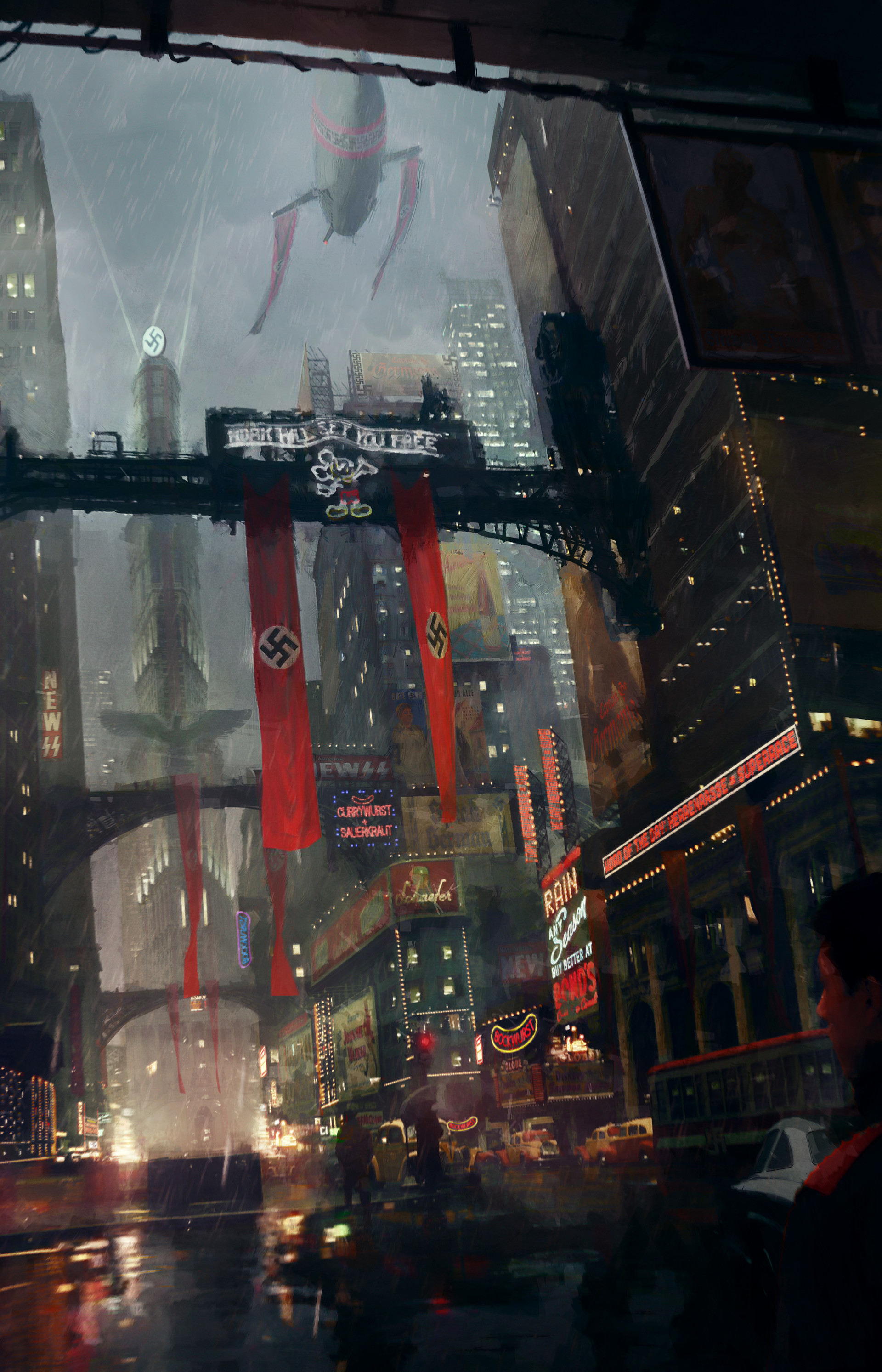
“The Man in the High Castle” fan art by Luis Guggenberger
I am currently in the midst of a major writing project that is different from anything I have written before. Historical fiction is not an easy genre to write. There are plenty of stories out there, like Harry Turtledove “How Few Remain” or Philip K. Dick “The Man on the High Castle” for example. These stories takes the world and turn it on end beyond what we know as history. It’s just science fiction but rather, as the term is coined, a historical fiction. These stories take one moment in history and with a simple turn of the switch, the world as we know it changed.
For example, in “How Few Remain” there was a moment in the Civil War where General Robert E. Lee sent out battle plans to his generals. One courier wrapped those plans around some cigars, but lost them enroute. These battle plans were found by a Union soldier and that gave them the edge over the Confederate general. This single moment in time changed the course of the war, in the eyes of the writer. That’s what it takes to create a good historical fiction… One moment in time changed and that brings about a new timeline. Doctor Who refers to this as a “fixed moment” in time, one that cannot change, like Rosa Parks refusing to get out of her seat on the bus in Montgomery, Alabama, in 1955. By changing these moments in time, we can change the future. To that end, a writer of historical fiction must be a writer and a historian.
Granted, you don’t have to be a history major to write historical fiction, but you need to research the Hell out of it. My current #WIP is Corsair and the Sky Pirates. The story is based on one of those pivotal moments in history, a chance meeting between Nikola Tesla and Jules Verne. This is where my story begins, but I first had to research a simple question… Were Jules Verne and Nikola Tesla ever in France at the same time? That question was essential to my story, and the answer was yes. In 1887, Tesla was working for the Continental Edison Company in Paris, France. At that time, Jules Verne lived in Amiens, France, just north of Paris. There existed the possibility of that chance meeting, so as a writer of fantasy and science fiction, I made it happen.
From that meeting grew a story of a new world, a new industrial revolution started years earlier than expected. This would be a steampunk world where fragments of a meteor would power technology, built by Tesla from the imagination of Verne. Oh, what a wonderful world it would be, right? That is how a historical fiction begins.
Many books of this fashion focus on two distinct moments… The Civil War or World War II. Seeing a different outcomes to these monumental, worldwide clashes piques the curiosity of readers. We all look at the world and wonder what difference would be made at these pivotal moments, a world under Nazi rule or where slavery extended beyond the Civil War. These are evil times, easy to prophesize and lay out because evil has one goal… Power!
Thomas Edison vs. Nikola Tesla
So, in my own historical fiction, I had that moment in history but I needed a villain. That was easy for me. As Tesla was my protagonist, the only choice for an antagonist was Thomas Edison. Now, don’t get me wrong, I don’t think Edison was an evil man. He was a genius, an inventor of the precursor of much of the technology we use today. But, he was also a capitalist, interested in making money. Like many corporations today, i.e. Apple, Google, Twitter and the likes, controlling the narrative means controlling the people in the world. That’s the villain I needed, corporations. When you move the industrial revolution forward, you’re automatically giving control over to the corporations that provide us with technology that makes our life easier, for a price. I wanted to represent our current addition to technology and bring it to bear in a steampunk, industrialized world. Edison was the perfect villain for my story.
That’s the beauty of writing historical fiction. You can change the world into something completely different. From turning Abraham Lincoln into a Marxist/Socialist (“How Few Remain”) to an alliance between Roosevelt, Churchill and Hitler to fight back an alien invasion (“Worldwar” series), it is an open book when writing historical fiction. The key is to base it in history. Where you go from there depends on the storyteller.
Research is the best thing for anyone writing historical fiction. I’ve learned more about the world at the turn of the century since I started writing this story. I learned about Jack Johnson, Geronimo, William Hearst, and more. From the people, to the countries, to the events, it is an open book… Better yet, an open world for any writer to explore. It’s the ability to create a world from one we all know, but make it new and make it different.
# # #
Mark Piggott is the author of the Forever Avalon fantasy book series. Forever Avalon is available for purchase as a paperback/ebook at Amazon. The Dark Tides: Book 2 of the Forever Avalon Series is available for purchase as a paperback/ebook from iUniverse Publishing and at Amazon, and other booksellers. The Outlander War, Book Three of the Forever Avalon series is available for purchase as a paperback/ebook from Austin Macauley Publishing, and at Amazon and other booksellers.
Back in October, I entered a steampunk writing contest through Crystal Peake Publishers. I entered a short story Corsair and the Sky Pirates for their consideration. For the first time, my hard work and imagination paid off. My story was selected to be included in a Steampunk Anthology to be published by Crystal Peake. I am honored and blessed to be considered for this. This is the first time, as an independent author, that I’m being published without all the trappings of paying to be published. It’s just so amazing, I am on “Cloud 9 3/4” right now!
Corsair and the Sky Pirates tells the story of a chance meeting between Nikola Tesla and Jules Verne that led to a world powered by steam generated not from coal or fuel, but a meteor fragment. Tesla discovered a comet named Uriel was raining pieces of these powerful meteorites across the globe. It led to an industrial revolution years ahead of its time, along with an unparalleled rivalry between Tesla and Thomas Edison, but progress has a price. While the rich and powerful lived in luxury in this new world, the everyday people groveled beneath the boot of their corporate masters. One man brought hope to the downtrodden. His exploits were legendary, his crew infamous, and his airship a vision of the future. Corsair and his Sky Pirates flew around the world, carrying out deeds that spurred the imagination. These modern-day “Robin Hood” bandits stole from the robber barons and corporate elites and returned the spoils to the people.
I will make more updates on the other authors I’m honored to join in this anthology as well as where you can purchase this collection of steampunk short stories. Thank you for your continued support of this independent author and crazy dreamer. 2021 is starting out as a great year!
# # #
Mark Piggott is the author of the Forever Avalon fantasy book series. Forever Avalon is available for purchase as a paperback/ebook at Amazon. The Dark Tides: Book 2 of the Forever Avalon Series is available for purchase as a paperback/ebook from iUniverse Publishing and at Amazon, and other booksellers. The Outlander War, Book Three of the Forever Avalon series is available for purchase as a paperback/ebook from Austin Macauley Publishing, and at Amazon and other booksellers.
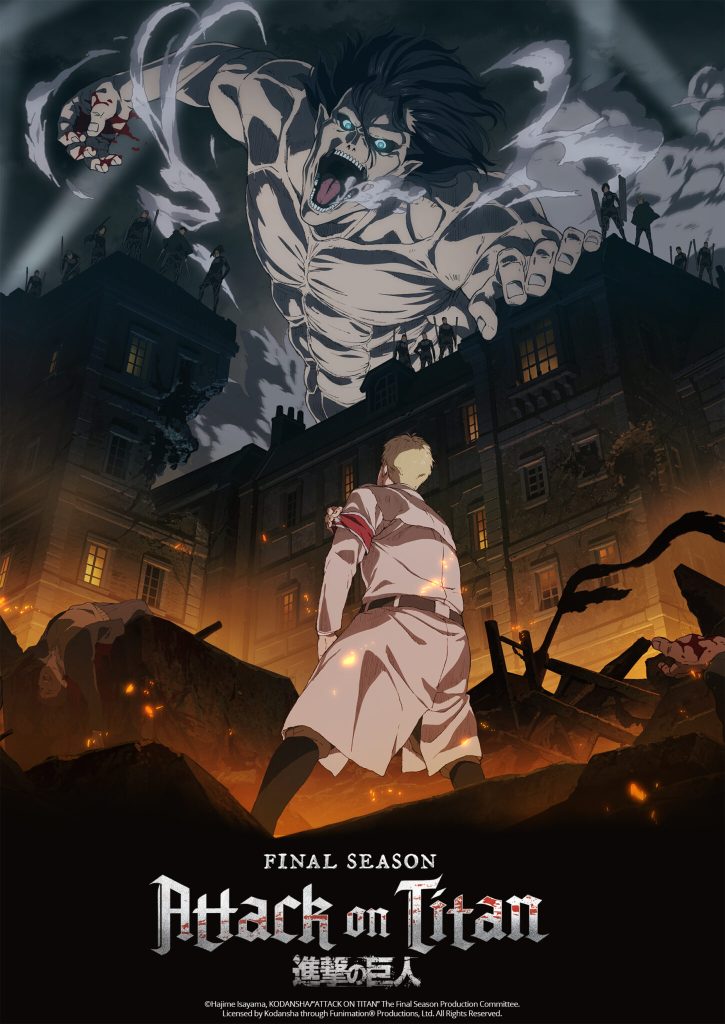
If you haven’t watched the anime Attack on Titan, you better start now! The final season of AOT just started (check out Crunchyroll or Funimation) and it is binge-worthy for any weekend watch party. I mean it, you need to watch it NOW!
For those not familiar with the anime, Attack on Titan is based on a Japanese manga series written and illustrated by Hajime Isayama. It is set in a world where humanity lives inside cities surrounded by enormous walls that protect them from gigantic man-eating humanoids referred to as Titans. The story follows Eren Yeager, who vows to exterminate all the Titans after a Titan brings about the destruction of his hometown and the death of his mother. He joins the Scout Regiment to patrol the areas outside the walls to take his fight to the Titans, but instead discovers so much more about himself, the Titans, and the people behind the walls.
The anime is horrific and brilliant. The battles are animated with such precision and realism it puts you right there (Levi vs. Beast Titan… AWESOME!). The characters are memorable and draw you into the story, although many complain that Eren was a whiner in the beginning of the series (including me). However, after the five year time skip between Season 3 and 4, Eren has really come out of his shell and is the leader he intended to be. I’m not going to give SPOILERS here, for obvious reasons, but there is a lot to take in.
The first thing that grabs you about Attack on Titan is the whole mythology. You don’t know whether its science fiction or fantasy, or a bit of both. The idea that a single race, the Eldians, were born as the “Subjects of Ymir” and gave them the power to transform into Titans. It is their spinal fluid that allows other Eldians to be transformed into Titans. Another race, the Marleyans, were once slaves to the Eldians but revolted and took control of them. It was Marley who put the Eldians on Paradis Island (where Seasons 1-3 take place) behind the walls, trapping them there to better control the “Devils” as they call them. It’s confusing to try and explain everything here, safe to say, watching the series explains things so much better. It’s also easy to understand why the two races hate each other and are at the core of the conflict.
There are common Titans, i.e. Eldians transformed into Titans through spinal fluid injection, and there are the “Nine Titans.” The Nine are the most powerful Titans whose power can only be passed by (a) being born with the power of one of the Nine or (b) another Titan eats one of the Nine (in human form) and gains its power. The Nine are the Attack Titan, the Beast Titan, the Colossal Titan, the Armored Titan, the Cart Titan, the Jaw Titan, the War Hammer Titan, the Female Titan, and the Founding Titan. Eren Yeager possesses both the Founding and Attack Titan powers, which is why the AOT story centers around him. The Nine are the power behind the Marleyan military forces and what has been driving the story from the very beginning. We’re just getting to see that now in Season 4, but those who read the manga have known this all along. In any case, the Nine and the flawed, vulnerable, and quite human characters behind them make this story so incredible.
Speaking of characters, this entire series is character-driven with such diverse characters that you love to hate and hate to love. Eren, Armin, and Mikasa are the lifelong friends centered on throughout the anime. You see a love interest potential between Eren and Mikasa, but he is so focused on his revenge that he doesn’t see it. Then there’s the others in the Scout Regiment–Hange, Levi, Connie, Sasha, Historia, Jean, Commander Erwin–plus many more that died too soon throughout the series. And of coarse, the other Titan wielders–Annie, Reiner, Bertholdt, Zeke, Pieck, Galliard (and Ymir)–and those in the wings (i.e. Gabi and Falco). They all had such unique personalities, ideology, expressions, and back stories that make you look at each one and think, “I know someone like that” every time. We laugh, cry, scream, and cheer them on at every moment in every episode.
Lastly, there’s the technology used in AOT. It’s steampunk in a weird, modern way. I don’t know a geek out there that doesn’t want their own ODM (Omni-Directional Mobility) gear to fly around on. And in the anime, the flow is so brilliantly animated that you are actually flying through the trees or across city skylines with the scouts (Levi vs. Kenny fight scene… Another AWESOME!). It’s going even more into a relegated steampunk world in Season 4 with airships, “Thundersticks” and the new ODM gear. It’s going to be an exciting season to watch.
This is the final season of Attack on Titan is in full swing, so if I need to remind you again, binge it if you haven’t watched AOT already. Get through the first three seasons, wrap yourself in a Mikasa red scarf, give the scout salute (look it up if you don’t know how to do it) and dive into the final season. It’ll take a long weekend, plenty of beer and pizza, but you can do it. Trust me, it’s better than a weekend D&D session.
# # #
Mark Piggott is the author of the Forever Avalon fantasy book series. Forever Avalon is available for purchase as a paperback/ebook at Amazon. The Dark Tides: Book 2 of the Forever Avalon Series is available for purchase as a paperback/ebook from iUniverse Publishing and at Amazon, and other booksellers. The Outlander War, Book Three of the Forever Avalon series is available for purchase as a paperback/ebook from Austin Macauley Publishing, and at Amazon and other booksellers.
I have always been a fan of steampunk. It is an eclectic style of modern technology with Victorian sensibilities. To me, the novels of Jules Verne are the bible of steampunk. To think that he imagined submarines, nuclear power, rocket ships and more in the 1800s is just remarkable.
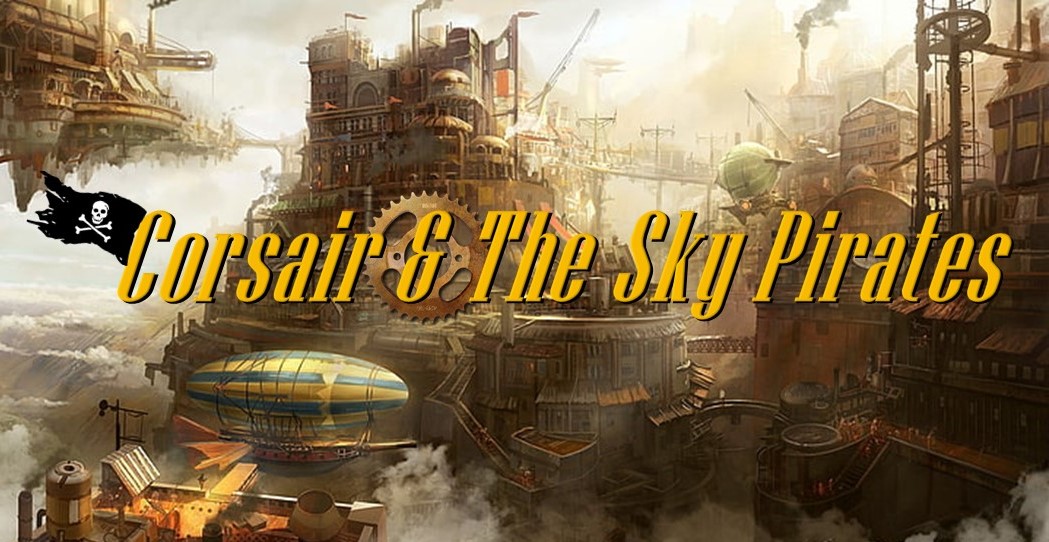
So I took inspiration from the imagination of Jules Verne and the genius of Nikola Tesla to create a steampunk world. Let me introduce you to a new concept for a new work in progress… Corsair and the Sky Pirates!
***
A brilliant inventor… A prolific writer… A chance meeting between Nikola Tesla and Jules Verne led to a world as you could never imagine. A world powered by steam generated not from coal or fuel, but a meteor fragment. Tesla discovered a comet named Uriel was raining pieces of these powerful meteorites across the globe. It led to an industrial revolution years ahead of its time, but even progress had a price. While the rich and powerful lived in luxury in this new world, the everyday people groveled beneath the boot of their corporate masters.
One man brought hope to the people. His exploits were legendary, his crew infamous, and his airship a vision of the future. Corsair and his Sky Pirates flew around the world, carrying out deeds that spurred the imagination. Known as modern-day “Robin Hood” bandits, they stole from the robber barons and returned to the oppressed.
The swashbuckling Corsair was as handsome as he was cool and calculating. His crew was an assortment of renegades many authorities considered lowlifes and criminals, but they were all dedicated to Corsair’s mission… Working with Tesla to bring an end to the corporate rule that was strangling the planet. They came from every corner of the globe… From the outback in Australia to the American Southwest into the skyline of New York City, across Europe and the Far East. The crew of the airship Galeru, named for a mythical rainbow serpent, never faltered and never wavered.
While Tesla made his inventions to ease everyday people’s day-to-day burden, the Edison/Röntgen/Parsons Corporation or ERP used their power and influence to ensure people paid for their modern miracles. World governments bent over backward to appease ERP to ensure they got their hands on the most potent weapons known to man.