There are many things in geekdom today that have been influenced in some way, shape or form by Japanese anime. It fills cartoons today as it did when I was a child. Before the days of cable TV, cartoons were mostly relegated to Saturday mornings. During the week, it was only found on UHF (that’s Ultra High Frequency to those born after 1980). That’s where I found my love for anime.
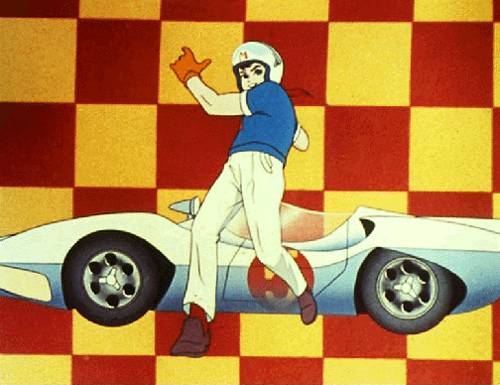
Speed Racer, Marine Boy, Gigantor were all English dubbed anime from the Far East. There was even Ultra Man before there was something called Power Rangers. They had wild animation, catchy theme songs and out-of-this-world adventure for a young developing mind to suck in. These shows are to me what Bonanza and The Andy Griffith Show are to my parents.
These shows are what I got up early to watch before going to school and raced home to watch after school. When I watch them today, it evokes such emotion and memories of childhood. I know that sounds cliche, but it’s absolutely true. These are the stories of my childhood.
And the best one of them all was Star Blazers. In Japan, it was called Space Battleship Yamato, named after the great battleship that sunk during World War II. Where I remember names like Wildstar, Nova, Captain Avatar and Leader Desslok, they had Kodai, Yuki, Captain Okita and Leader Deslar. It didn’t matter what language it was in or their names, it was one of the best animes ever made.
 Best of all was the ship, the Argo (or Yamato for purists) was my Enterprise. It was a sleek battleship with retractable wings, a third bridge underneath the hull and a KICK-ASS weapon in the Wave Motion Gun. Nothing can compare to the thrill of watching them fire that weapon. It was nothing short of awesome!
The show was riviting, with every episode ending with the countdown for the “Star Force” to complete their mission. I couldn’t wait until the new season started as they faced peril again, this time at the hands of the Comet Empire, but with the aid of a super-powered alien woman whose voice sounded like marshmellows soaked in honey. It was another clash with an alien super-power against a ship and crew that couldn’t be destroyed and would never give up.
When I think back to these animes, I can’t believe how much they influenced me as a writer. Yes, the stories were a little cheesy, overly cliched and highly predictable but I loved them. They taught me the basics of any good story … Have a beginning, middle and end; be consistent throughout and see the humor in every lesson about life.
Anime today has it’s good and bad but, in my eyes, it can’t compare to what I grew up with. They recently made a live action Space Battleship Yamato and, though I loved seeing the ship in all its glory, the story was nothing like the original. I think that’s the key.